
Clear project framing
A clear, structured understanding of the project before any major commitment.
You gain a coherent reading of scope, priorities, constraints, and options, allowing decisions to be taken deliberately rather than reactively.
This clarity reduces early risk by eliminating assumptions, exposing trade-offs, and identifying what genuinely requires arbitration before moving forward.
For international property owners, clear project framing provides a stable decision base, ensuring that each commitment is informed, intentional, and aligned with long-term objectives before exposure becomes irreversible in the Paris renovation context.
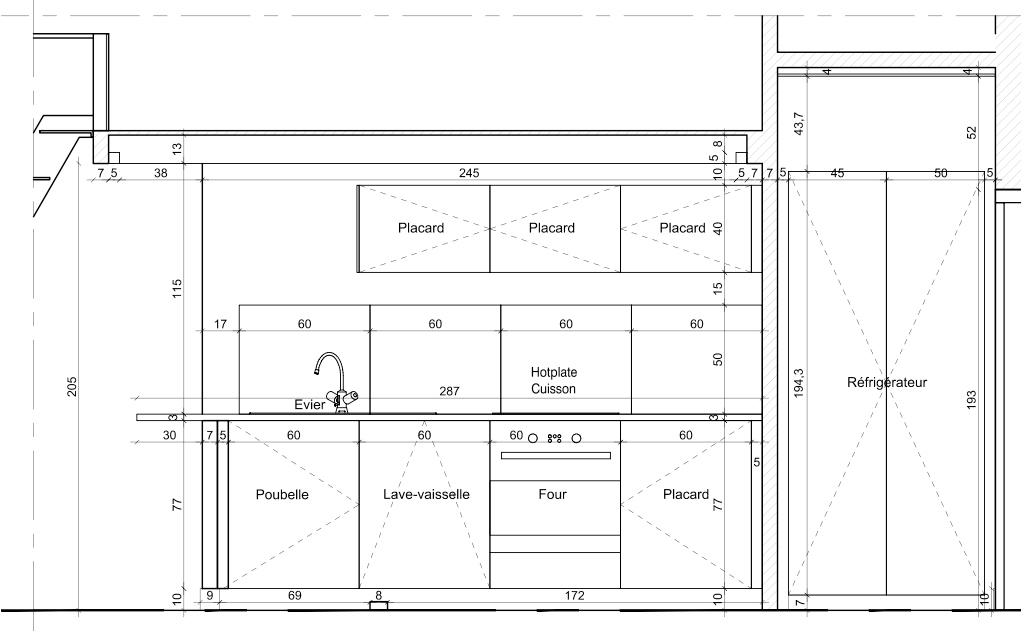
Independent project intelligence
An objective, independent reading of your project inputs, before decisions are locked in.
You receive a clear, investment-focused analysis of proposals, costs, schedules, and technical information, detached from execution interests and commercial bias.
This intelligence is not about producing alternatives or redesigning the project.
It is about understanding what is being proposed, what it implies, what it exposes, and what it commits you to — in real terms.
Proposals are analysed for internal consistency, realism, hidden assumptions, sequencing logic, and risk allocation.
Costs are read globally, not line by line, to identify structural imbalances, omissions, and pressure points.
Technical inputs are interpreted in relation to your objectives, not in isolation.
This independent reading allows you to distinguish what is necessary from what is optional, what is solid from what is fragile, and what is negotiable from what is already constrained.
For international property owners, independent project intelligence restores symmetry.
It replaces reliance on local actors’ narratives with a neutral, structured understanding of reality — enabling informed decisions before financial or contractual exposure becomes irreversible.
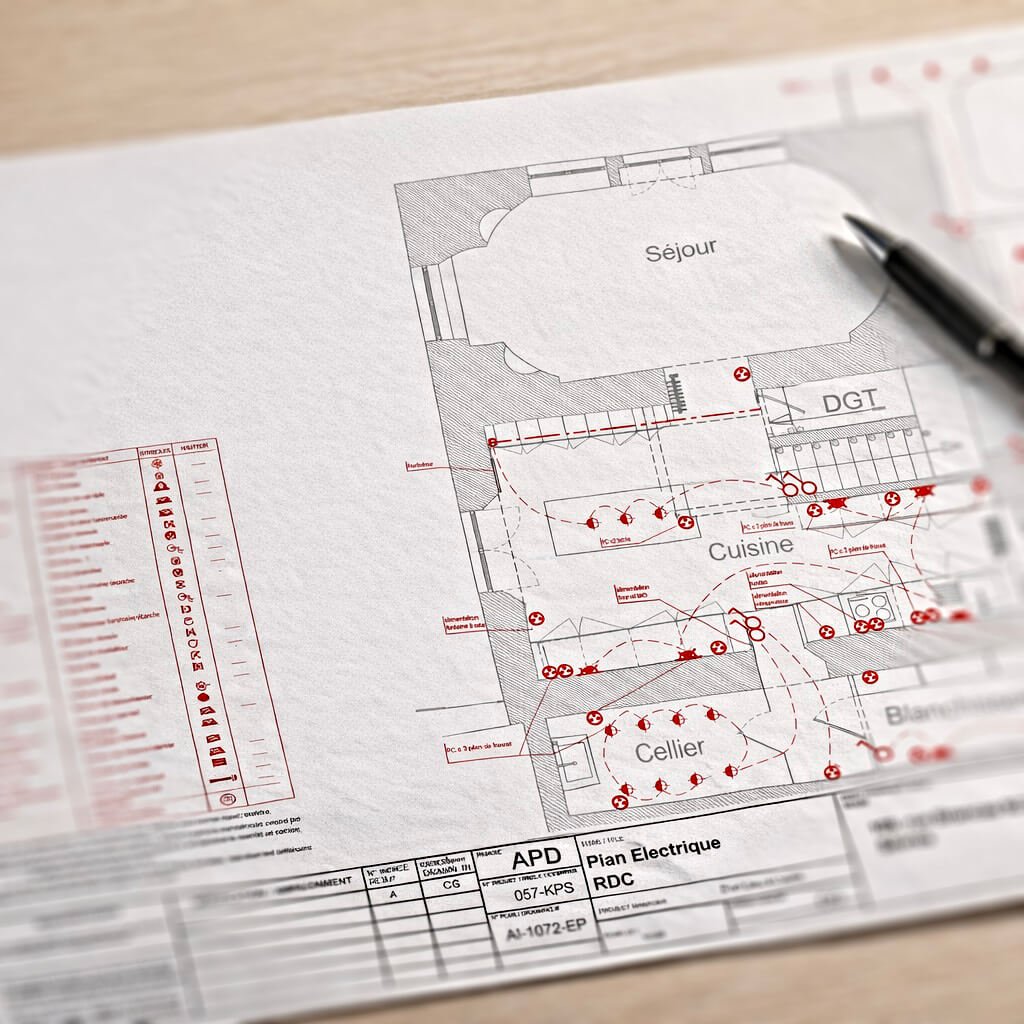
Client-side representation
Exclusive representation of the client’s interests, locally and independently.
This phase ensures that all decisions, discussions, and actions are carried out strictly from the client’s perspective, without alignment or dependency on contractors, suppliers, or designers.
I act as a dedicated local representative in Paris, translating your objectives into clear instructions, monitoring execution on the ground, and safeguarding your interests at every stage of the renovation process.
This role includes day-to-day presence when required, coordination with stakeholders, verification of consistency between commitments and execution, and immediate escalation of deviations, risks, or ambiguities.
For non-resident property owners, client-side representation provides continuity and accountability, ensuring that distance does not translate into loss of oversight.
The objective is not to replace project actors, but to rebalance the process — restoring symmetry between local execution and remote decision-making.

Decision support at every stage
Decisions prepared, contextualised, and supported at each critical moment of the project.
Throughout the renovation process, decisions rarely occur all at once. They emerge progressively, often under time pressure, incomplete information, or external constraints.
Options are framed, consequences clarified, and trade-offs made explicit before commitments are confirmed. What can wait is identified. What cannot is prioritised. What carries risk is highlighted.
For international property owners, decision support replaces reactive approvals with deliberate choices. It allows you to remain in control of the project trajectory, even when decisions must be taken from abroad and within short timeframes.
The objective is not to accelerate decisions, but to secure them — ensuring that each step forward is intentional, informed, and aligned with your overall objectives.
Transparent reporting
Clear, concise reporting designed for non-resident owners and investors.
Reporting is structured to support decisions, not to generate volume.
It focuses on what matters: progress, deviations, risks, budget exposure, and required arbitrations.
Information is filtered and prioritised to prevent distance from distorting perception.
What is stable is confirmed. What drifts is flagged. What requires action is made explicit.
Reports are factual, readable, and aligned with the project framework established upstream.
They provide a reliable snapshot of on-site reality, free from operational noise or interpretive bias.
For international property owners, transparent reporting restores confidence by replacing uncertainty with verified facts, regular checkpoints, and clear decision signals throughout the renovation process.